Is It Time for a Metal Roof Replacement? Here’s What You Need to Know
Metal roof replacement is one of the smartest long-term investments a Florida homeowner can make — but knowing when to replace, and how to do it right, can feel overwhelming.
Here’s a quick summary of what you need to know:
- When to replace: Look for rust, leaks, loose panels, fading, or chalking — especially after major storms
- Two main approaches: Full tear-off (remove old roof, install new) or recover (install new metal over existing roof)
- How long it lasts: A properly installed metal roof lasts 40 to 70 years — compared to just 12 to 20 years for asphalt shingles in Florida’s harsh climate
- Energy savings: Metal roofs can reduce your electrical consumption by 10–25%, especially with above-sheathing ventilation
- Resale value: Homeowners nationally recoup an average of 85.9% of metal roof costs, with values rising to 95.5% in the eastern U.S.
- Timeline: Most residential replacements take 3 to 7 days from start to finish
Florida’s heat, humidity, and hurricane season put roofs through serious punishment. Asphalt shingles often fail on the low end of their lifespan here. Metal roofs, by contrast, are built to take it.
And it’s not just about durability. Metal roofing is also sustainable — made from at least 25% recycled material and 100% recyclable at end of life. Meanwhile, asphalt shingles send 11 million tons of waste to landfills every single year, taking an estimated 300 years to decompose.
Whether you’re dealing with storm damage, an aging roof, or just planning ahead, this guide walks you through every step — from spotting the warning signs to choosing the right panels to understanding Florida’s specific building codes.

The Metal Roof Replacement Process: Recover vs. Tear-Off
When it comes time for a Metal Roof Replacement, we generally look at two primary paths: the full tear-off or the recover. Each has its own set of technical requirements and benefits, and the right choice often depends on the current state of your home’s structure.
The Full Tear-Off (Remove and Replace)
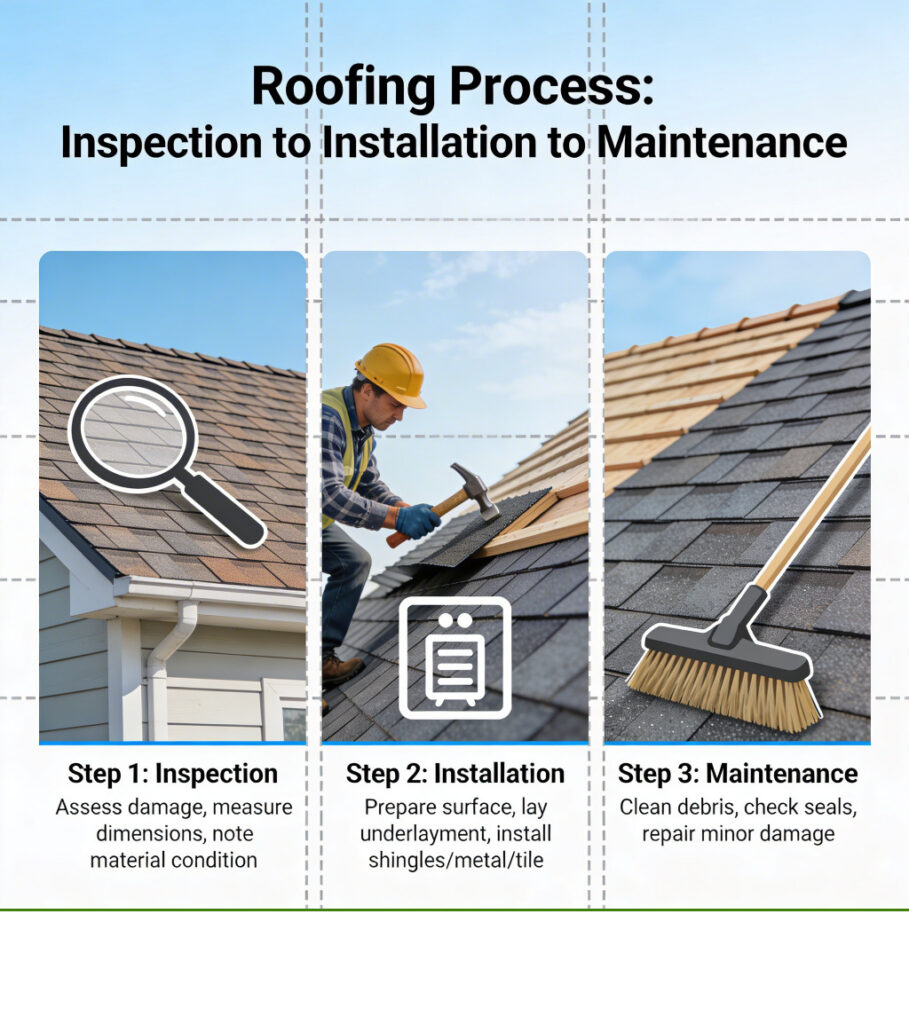
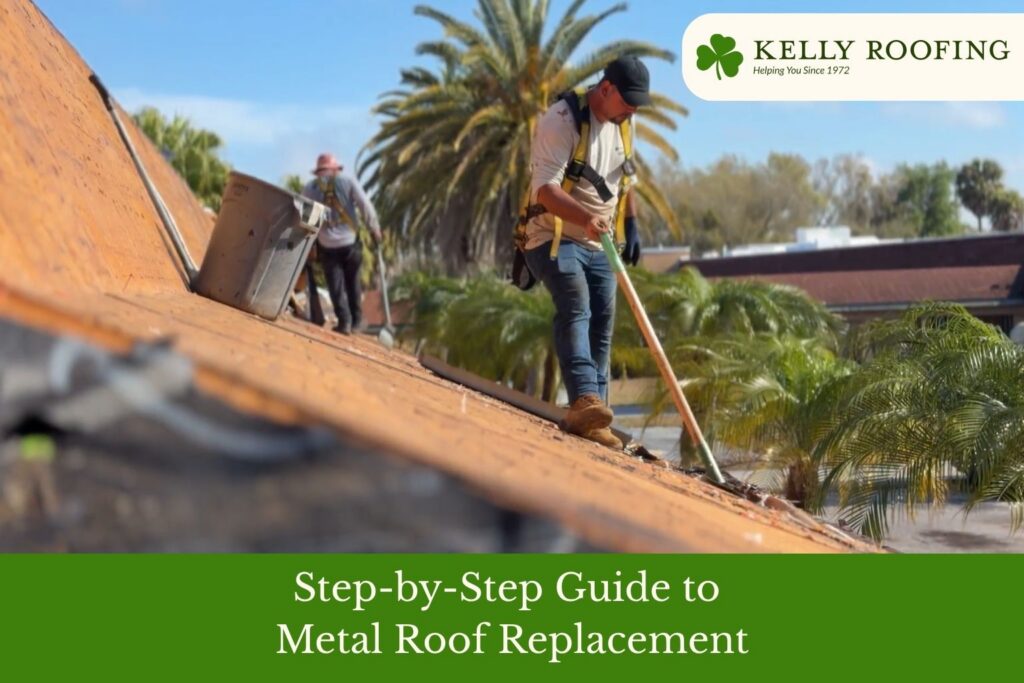
A full tear-off is exactly what it sounds like. We remove every layer of the existing roofing material down to the wooden deck. This is often the “gold standard” because it allows us to perform a comprehensive deck inspection. In Florida, where humidity can sneak into the smallest crevices, checking for rot, mold, or structural weakness in the plywood or OSB sheathing is vital.
Once the deck is cleared and repaired, we install a high-performance moisture barrier or underlayment. For metal systems, synthetic underlayment is far superior to traditional felt paper because it doesn’t degrade under the high heat that metal panels can reach.
The Recover Method
A recover system involves leaving the existing roof in place and installing the new metal panels directly over it. This is incredibly popular because it saves on labor and disposal fees. It also provides an extra layer of protection for your home’s interior during the installation process—no one wants an unexpected Florida afternoon downpour hitting an exposed attic!
However, a recover isn’t just “slapping metal on top.” It requires careful engineering to ensure proper ventilation and moisture control.
| Feature | Remove-and-Replace | Recover (Retrofit) |
|---|---|---|
| Disposal Costs | Higher (Tear-off + landfill fees) | Minimal to None |
| Deck Inspection | Full visibility of wood deck | Limited visibility |
| Installation Speed | Moderate (Includes tear-off time) | Faster |
| Insulation | Standard | High (Can add rigid insulation) |
| Disruption | Higher (Dust and debris) | Lower |
Signs You Need a Metal Roof Replacement
While metal is famous for its 50+ years of service life, it isn’t invincible. If you live in areas like Naples or Fort Myers, the salt air and intense sun are constant factors. Here is what we look for when evaluating if it’s time for a change:
- Corrosion and Rust: If you see orange streaks or pitting, the protective coating has failed. This is common on older galvanized steel roofs that have been exposed to coastal salt spray.
- Structural Leaks: If you’re seeing water stains on your ceiling, it may be more than just a loose screw. Persistent leaks can rot the roof deck from the inside out.
- Loose or Moving Panels: Metal expands and contracts with the heat. Over decades, this “thermal shock” can back out fasteners or cause panels to shift, breaking the water-tight seal.
- Fading and Chalking: That white, powdery substance on your roof is called chalking. It means the resin in the paint is breaking down. While it might look okay from the street, it indicates the metal is losing its protection against the elements.
- Storm Damage: After a hurricane or major wind event, panels can become crimped or lifted. Even if they don’t blow off, the structural integrity of the seam may be compromised.
Choosing Between Exposed Fasteners and Standing Seam
One of the biggest decisions you’ll make during a Metal Roof Replacement is the type of panel system. This isn’t just about looks; it’s about how the roof handles Florida’s weather.
Standing Seam (Concealed Fasteners) Standing seam is the premium choice for residential homes. The fasteners are hidden beneath the panels, meaning there are zero holes exposed to the rain. The panels are joined by integral “ribs” that snap together or are mechanically seamed.
- Pros: Superior weather-tightness, sleek curb appeal, and excellent handling of thermal movement.
- Cons: Higher upfront material and labor investment.
Exposed Fastener Systems (5V Crimp and Ribbed Panels) These systems use screws that go directly through the face of the metal into the roof deck. Each screw has a rubber washer (neoprene) to seal the hole.
- Pros: More economical and offers a classic “Florida Cracker” or farmhouse look.
- Cons: The washers can dry out and crack over 15–20 years, requiring maintenance or “re-screwing” to prevent leaks.

Florida Building Codes and the 15-Year Rule
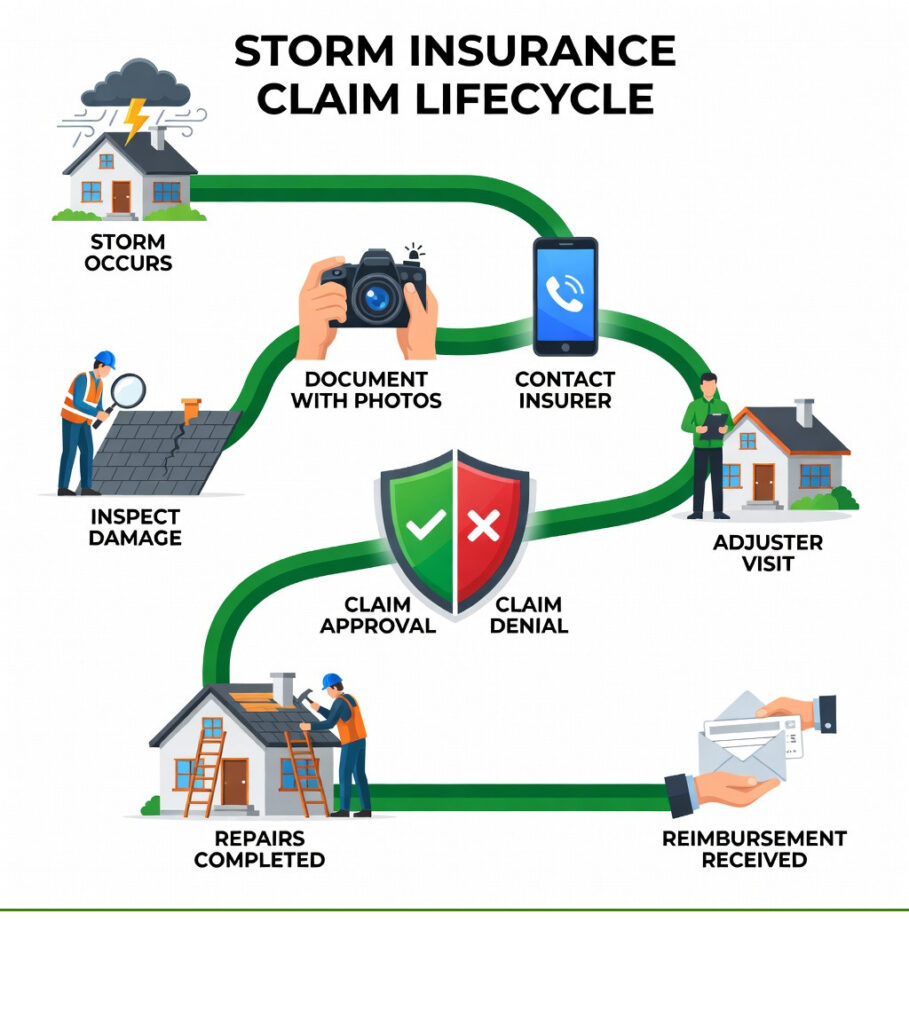
There is a lot of “roofing mythology” floating around Florida right now, specifically regarding insurance and how long a roof “legally” lasts. You may have heard that insurance companies will drop you if your roof is over 15 years old.
Let’s look at the facts. Florida Statute § 627.7011(5) was designed to protect homeowners. The law is material-neutral. It essentially states that if a roof is 15 years or older, an insurance company cannot refuse to renew a policy solely based on the age of the roof if a professional inspection shows the roof has at least 5 years of useful life remaining.
Because metal roofs are built for a 40 to 70-year lifespan, they easily pass these inspections long after an asphalt roof would have failed. Furthermore, installing a metal roof often qualifies you for significant insurance discounts because of its superior hurricane mitigation and wind resistance. In cities like Sarasota and West Palm Beach, where wind speeds are a major concern, a metal roof is considered the gold standard for safety.
Costs, Timelines, and Professional Installation
We know that a Metal Roof Replacement is a significant investment. Understanding where the money goes and how long the project takes helps take the “scary” out of the process.
The Typical Timeline
Most of our residential projects in Florida follow a 3 to 7-day timeline.
- Days 1-2: Preparation, permitting checks, and (if chosen) the tear-off of old materials.
- Days 3-5: Underlayment installation, flashing around chimneys and vents, and the mounting of the metal panels.
- Days 6-7: Final trim work, ridge vent installation, and a meticulous job-site cleanup (we use high-powered magnets to ensure no stray screws are left in your driveway).
Factors like roof pitch (steepness), the number of valleys, and the weather can shift this timeline, but we always aim for a swift, efficient process to minimize disruption to your life.
Estimating Your Metal Roof Replacement Investment

While we don’t discuss specific dollar amounts here, several factors will influence your total investment:
- Square Footage: The larger the roof, the more material and labor required.
- Material Choice: Steel is the most common and affordable. Aluminum is fantastic for coastal homes in places like Marco Island because it doesn’t rust. Copper is the “luxury” option, offering a 60-year service life and a beautiful patina.
- Complexity: A simple “up and over” roof costs less than one with multiple dormers, skylights, and steep pitches.
- Resale Value: A metal roof can increase your home’s resale value by about 6% compared to asphalt. It’s an investment that pays you back when it’s time to sell.
Advanced Recover Methods: Notched Purlins and Tall Clips
If we determine that a recover is the best path for your home, we use advanced engineering to ensure the new roof performs perfectly. One of the biggest risks of a recover is “trapped moisture” between the old and new roof. We solve this with Above Sheathing Ventilation (ASV).
- Notched Purlins: These are sub-structural members that are “notched” to fit over the ribs of an existing metal roof, creating a flat grid for the new panels.
- Tall Clips: In systems like our 138T Shingle Recover System, we use specialized clips that hold the new metal panels slightly above the old shingles.
This creates an air gap. This gap acts as a thermal break, preventing heat from transferring directly into your home. This is why a recover can actually reduce your cooling bills by 10% to 25%. It’s like putting a ventilated “umbrella” over your house.

The Importance of Proper Ventilation and Flashing
A metal roof is only as good as its weakest point. We pay obsessive attention to:
- Underlayment: We use high-temp, self-healing membranes that seal around every fastener.
- Flashing: This is the metal “armor” around chimneys, skylights, and valleys. We custom-bend our flashing to ensure a perfect, watertight fit.
- Ventilation: Proper airflow in your attic prevents moisture buildup and keeps your home cooler. We integrate ridge vents and soffit vents to create a natural “chimney effect” that pulls hot air out.
Conclusion: Securing Your Home’s Future
Choosing a Metal Roof Replacement is about more than just a new look; it’s about peace of mind. At Kelly Roofing, we’ve been family-owned and operated in Florida since 1972. We’ve seen every type of storm and every type of roofing failure, and we’ve used that experience to refine our craftsmanship to the highest possible level.
Whether you are in Naples, Orlando, or Jacksonville, our goal is to provide you with a roof that you’ll never have to worry about again. From the initial inspection to the final walkthrough, we handle the permits, the engineering, and the heavy lifting.
If you’re ready to trade in your temporary asphalt shingles for a permanent metal solution that protects your family and lowers your energy bills, we are here to help.