Why Does a Storm Leave You With More Questions Than Answers About Your Roof Insurance Claim?
One night of wind, hail, or heavy rain can turn into a maze of policy language, deductibles, exclusions, and deadlines. If you’re staring at missing shingles, leaks, or stains on the ceiling, don’t wait and hope it gets better – storm damage can worsen fast, and waiting too long can make the claims process harder.
At Kelly Roofing, we know how stressful roof damage from storm insurance issues can feel, and this guide is here to make the process clearer, simpler, and easier to act on. You’ll learn what may be covered, what can affect your payout, and the steps you should take right away to protect your home and move forward with confidence.
Does homeowners insurance cover storm roof damage?
- Yes, most standard homeowners policies cover roof damage from wind, hail, lightning, and falling objects
- No, standard policies do NOT cover flooding, gradual wear and tear, or poor maintenance
- Coverage amount depends on your policy type (Replacement Cost Value vs. Actual Cash Value) and your roof’s age
- You’ll owe a deductible before insurance pays — often a separate, higher deductible for wind and hail
- File quickly — some insurers give you as little as 90 days to submit a wind claim
If you’re a Florida homeowner, the stakes are especially high. Hurricane-force winds, heavy rain, hail, and flying debris put your roof to the test every single storm season — June through November.
The numbers back this up. Between 2014 and 2018, wind and hail damage claims were filed more than any other type of loss — more than fire, water damage, or theft combined. That’s not a small number of families dealing with damaged roofs, denied claims, and unexpected bills.
The good news? Understanding how the insurance process works puts you in a much stronger position — before, during, and after a storm hits.
This guide walks you through everything: what’s covered, how payouts are calculated, how to file a claim the right way, and how to protect your home long-term.
Navigating Roof Damage from Storm Insurance Coverage
Understanding what your policy actually covers is the first step toward a successful claim. In Florida, we deal with a unique set of weather challenges, from the afternoon tropical downpour to full-scale hurricanes.
Covered Perils
Most homeowners insurance policies are designed to protect you from “unexpected and unpredictable events.” These are often referred to as “perils.” Standard coverage typically includes:
- Wind Damage: This includes everything from shingles being ripped off by high winds to structural damage caused by a tornado or hurricane. It also covers secondary damage, such as a tree limb being propelled through your roof.
- Hail: If hail is large enough to bruise your shingles or crack your tiles, it’s generally covered. However, many insurers now distinguish between “functional damage” (damage that affects the roof’s ability to shed water) and “cosmetic damage” (dents that don’t cause leaks).
- Falling Objects: If a storm knocks a neighbor’s oak tree onto your guest bedroom, insurance typically steps in to help.
- Lightning: A direct strike can cause fire or structural shattering, both of which are standard covered perils.
Common Exclusions
Insurance is not a maintenance plan. This is where many homeowners run into trouble. Common reasons for a claim being denied include:
- Wear and Tear: Insurance companies expect shingles to wear out over time. If your roof is 25 years old and simply starts leaking because it’s reached the end of its life, that is considered a maintenance issue, not a storm claim.
- Lack of Maintenance: If you have a pre-existing leak that you ignored for two years, and then a storm happens, the insurance company may deny the claim because the damage was preventable.
- Flooding: While rain coming through a hole in the roof caused by wind is covered, water rising from the ground into your home is not. For that, you need separate flood insurance. Learn more about water damage and flood protection.
- Earth Movement: Damage from earthquakes or sinkholes usually requires a specific endorsement. You can learn more about earthquake protection and other natural hazards to assess your specific risks.
If you suspect your roof has been compromised but aren’t sure if it’s “storm damage” or just “old age,” it’s best to have a professional look. We offer expert roof repair services to help identify the true cause of the issue.
Understanding RCV vs. ACV for Roof Damage from Storm Insurance
This is perhaps the most critical part of your policy. It determines whether you get a brand-new roof or just a small check that covers a fraction of the cost.
Replacement Cost Value (RCV): This is the gold standard. If your roof is damaged, the insurance company pays the actual cost to replace it with new materials of like kind and quality, minus your deductible. They may hold back a portion of the money (the “recoverable depreciation”) until the work is actually finished.
Actual Cash Value (ACV): This policy pays the “depreciated” value of the roof. Think of it like a car; as it gets older, it’s worth less. If you have a 20-year-old roof with a 25-year lifespan, the insurance company might only pay for 20% of the value, leaving you to cover the remaining 80% out of pocket.
| Feature | Replacement Cost Value (RCV) | Actual Cash Value (ACV) |
|---|---|---|
| Payout Basis | Cost of new materials today | Depreciated value based on age |
| Out-of-Pocket | Usually just your deductible | Deductible + amount of depreciation |
| Premium Cost | Higher monthly premiums | Lower monthly premiums |
| Age Impact | Less impact on total payout | Huge impact; older roofs pay much less |
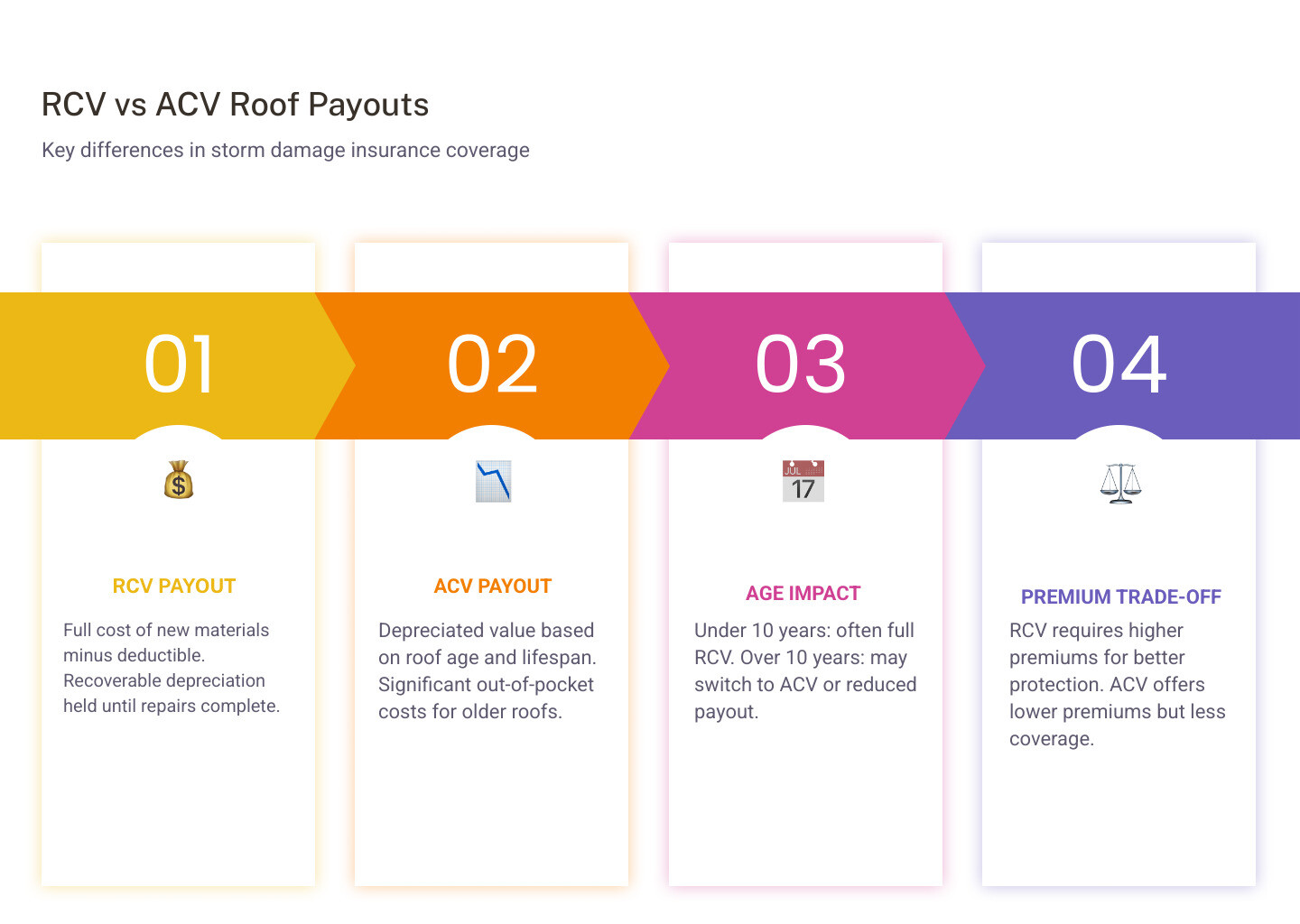
Many insurance companies have a “10-year rule.” If your roof is younger than 10 years, they may provide full replacement. Once it crosses that decade mark, they might switch the coverage to ACV or limit the payout significantly. It is vital to read the fine print on roof insurance repair and replacement to know exactly what you’re paying for.
How Deductibles Impact Roof Damage from Storm Insurance Claims
In Florida, we don’t just have one deductible; we often have two.
- All Other Perils (AOP) Deductible: This is a flat amount (e.g., $1,000 or $2,500) that applies to things like fire or theft.
- Wind/Hail (Hurricane) Deductible: This is often a percentage of your home’s total insured value.
If your home is insured for $400,000 and you have a 2% hurricane deductible, you are responsible for the first $8,000 of the repair. This applies regardless of whether the roof damage is $9,000 or $40,000. For many homeowners, this high out-of-pocket cost is a major surprise after a storm.
Identifying Red Flags and Storm Damage Signs
You don’t always need to wait for a waterfall in your living room to know there’s a problem. In fact, waiting that long can lead to mold and structural rot that insurance might not cover if they feel you “neglected” the initial damage.
Common Storm Damage Indicators:
- Missing or Lifted Shingles: Wind can peel shingles back or rip them off entirely. Even if they look “flat” again after the wind stops, the seal may be broken, leaving you vulnerable to the next rain.
- Granules in Gutters: If your gutters look like they’re full of coffee grounds after a heavy rain or hail storm, your shingles are losing their protective coating.
- Dents and Cracks: Hail can leave “bruises” on shingles that look like dark spots where the granules have been knocked away.
- Interior Water Stains: Check your attic and ceilings for yellow, brown, or grey rings.
- Damaged Flashing: The metal around your chimney and vents is a common failure point during high winds.
If you aren’t sure what you’re looking at, we recommend getting a professional roof condition report. This provides a documented “baseline” of your roof’s health, which is incredibly valuable when dealing with an insurance adjuster.
Filing a Successful Claim and Protecting Your Home
Filing a claim for roof damage from storm insurance can feel like a part-time job. To get the best result, you need to be organized, proactive, and—most importantly—safe.
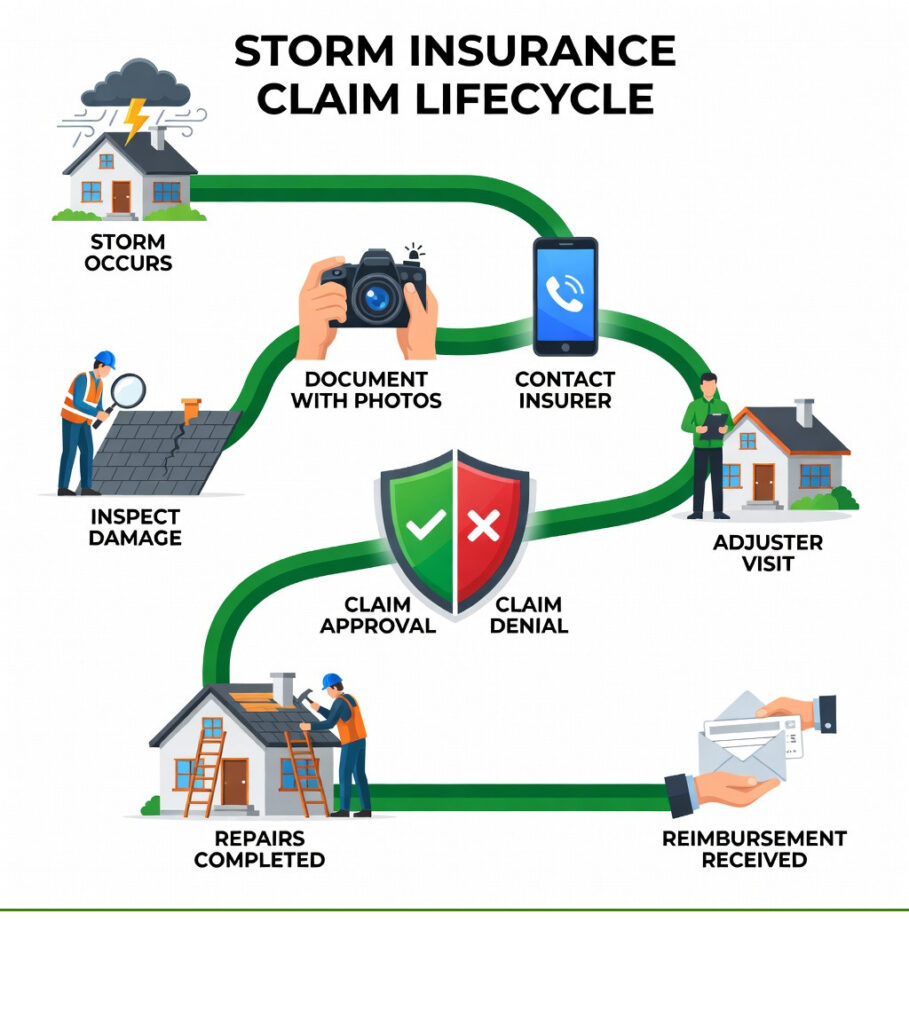
Immediate Steps to Take After a Storm
- Safety First: Never walk on a wet or storm-damaged roof. Look for downed power lines or leaning trees before you even step outside.
- Ground-Level Inspection: Use a pair of binoculars to look at the roof from the sidewalk. Take photos of any missing shingles, dented gutters, or fallen debris.
- Check the Interior: Go into your attic with a flashlight. Look for damp insulation or water tracks on the rafters.
- Prevent Further Damage: Most insurance policies require you to take reasonable steps to prevent more damage. This might mean hiring a professional for emergency roof tarping. Keep all receipts for these temporary fixes; they are usually reimbursable.
- Document Everything: Start a “claim folder.” Keep the date of the storm, photos of the damage, and a log of every person you speak to at the insurance company.
Choosing a Contractor and Managing the Inspection
After a major storm, “storm chasers” often flood Florida neighborhoods. These are out-of-state contractors who knock on doors, promising a “free roof.” Be very careful. Many of these companies do shoddy work and disappear before the first leak happens.
Why Local Matters: Working with a local family-owned company like ours (we’ve been here since 1972!) ensures that you have someone to call if there’s a problem a year down the road. We understand the specific Florida building codes—like the requirements for secondary water barriers and specific underlayment—that out-of-state crews might miss.
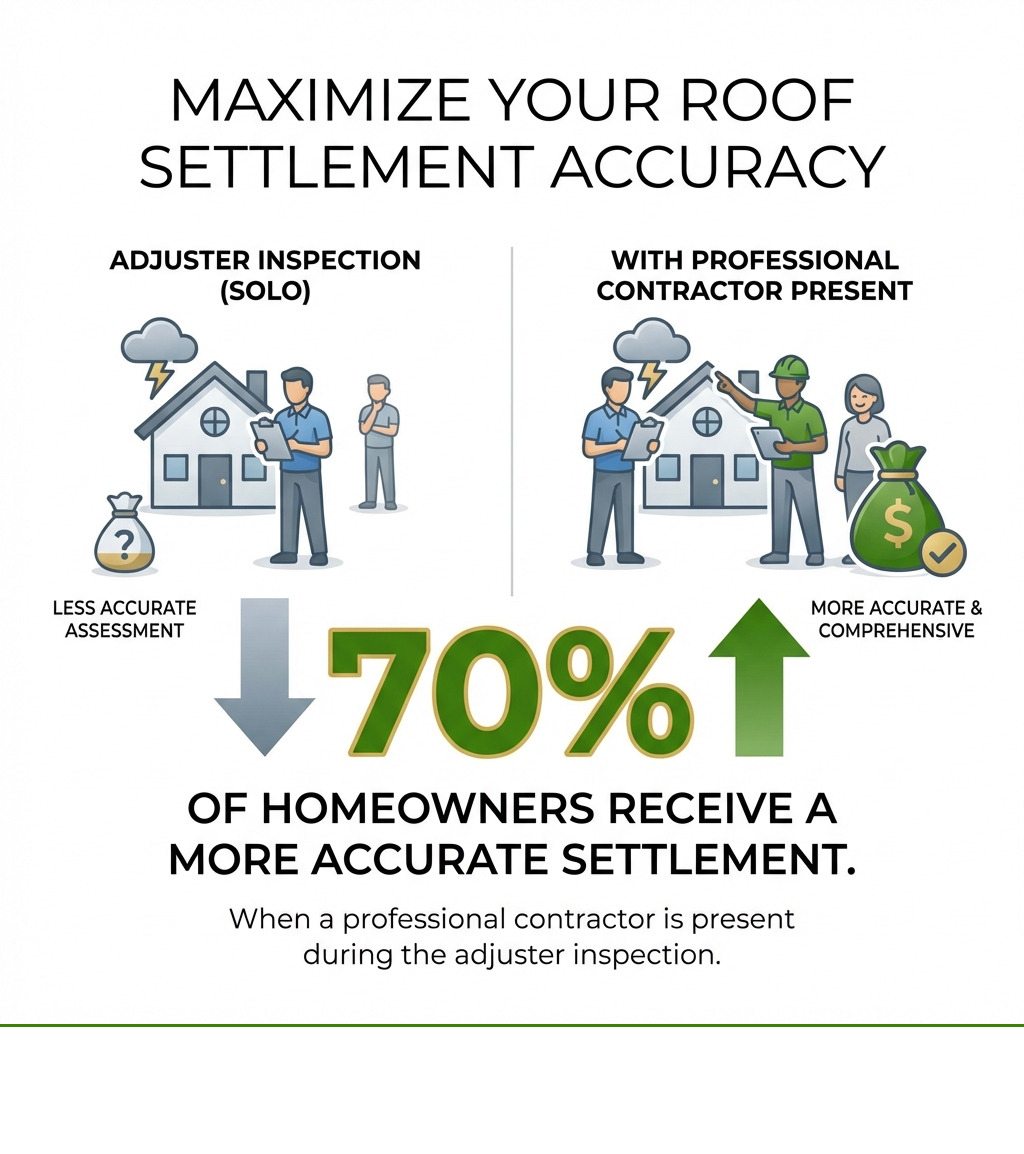
The Adjuster Meeting: When the insurance company sends an adjuster to your home, you should have your roofing contractor there too. Adjusters are human; they can miss things. Having a professional on the roof with them ensures that every broken tile or bruised shingle is accounted for in the initial report. This helps avoid “supplements”—extra requests for money later in the process that can delay your repairs.
If the damage is extensive, you may need to move beyond simple repairs. We specialize in full roof replacement services that meet or exceed the toughest Florida codes.
What If Your Claim Is Denied?
Don’t panic. Claim denials happen for many reasons, and they aren’t always the final word.
- Request a Re-inspection: You can ask for a different adjuster to come out.
- Provide More Evidence: This is where your contractor’s detailed photos and reports come in handy.
- Consult a Public Adjuster or Attorney: If there is a legitimate dispute over the scope of damage, you may need professional representation.
- Check for Code Upgrades: Sometimes insurance denies a claim because they only want to pay for a “patch,” but Florida law may require a full replacement if a certain percentage of the roof is damaged.
Is it Normal to Get a New Roof for an 18-Year-Old Roof?
Surprisingly, yes! If a covered storm causes significant damage, the insurance company is obligated to return your home to its “pre-loss” condition. If the roof cannot be repaired because the shingles are no longer manufactured or because the damage is too widespread, they may approve a full replacement. Even if the roof was “almost dead” anyway, the storm is the “proximate cause” of the loss. However, if you have an ACV policy, you’ll still be responsible for the heavy depreciation costs.
Conclusion and Preventive Maintenance
Dealing with roof damage from storm insurance is never fun, but being prepared makes the process much smoother. In Florida, your roof is your home’s most important defense.
At Kelly Roofing, we’ve spent over 50 years helping our neighbors in Naples, Sarasota, Orlando, and across Florida navigate the aftermath of storms. We don’t just fix roofs; we build systems designed to withstand the next big one.
Steps to Take Today:
- Schedule an Annual Inspection: Don’t wait for a storm. Our roof anniversary inspections catch small issues before they become “uninsurable” maintenance problems.
- Invest in Wind Mitigation: This can significantly lower your insurance premiums. Our wind mitigation services help prove to your insurer that your home is hardened against storms.
- Keep Your Trees Trimmed: Most “storm damage” is actually “tree damage.” Keep limbs at least 10 feet away from your roofline.
- Review Your Policy: Call your agent today. Ask if you have RCV or ACV coverage and double-check your hurricane deductible amount.
Whether you need a quick repair, a Tesla Solar Roof, or just some honest advice after a hailstorm, we are here to help. Our goal is to provide the craftsmanship and quality you need for total peace of mind.
Worried about roof damage from storm insurance? Get clear answers and trusted help with your claim. Explore our comprehensive roofing services or contact Kelly Roofing today to schedule a professional evaluation and protect your home with confidence.